Welcome to Radio))) ILOVEIT – Inspiration & resources for radio professionals! We are passionate & positive about radio, and share ideas & insights for radio success. Read more below and/or become a friend and get in touch!
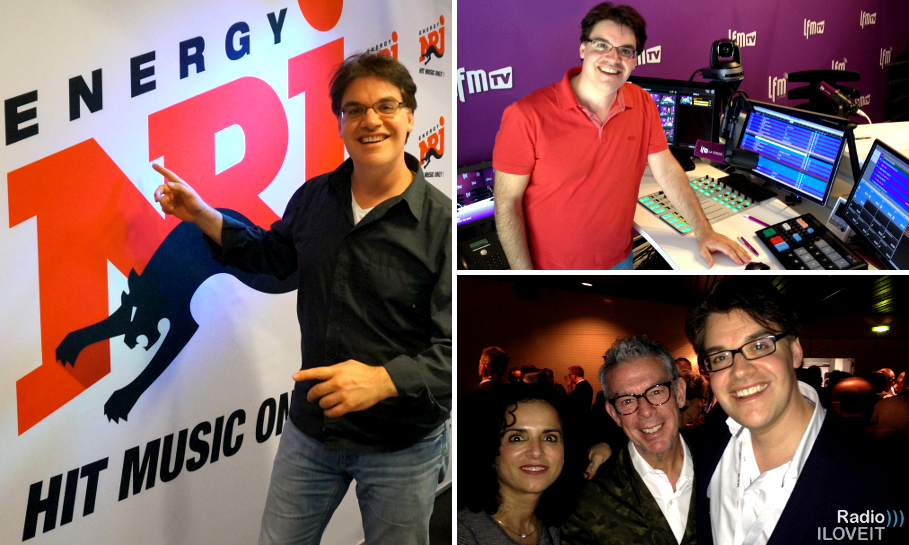
Yours truly @ NRJ in Sweden, LFM in Switzerland, and Radiodays Europe in France with Yvonne Malak and Elvis Duran (photos: Diederick Huizinga, Sylvain Lavey and Dennis Clark)
Radio))) ILOVEIT
The title says it all. Like you, I love radio, and I’m grateful to be involved in radio for over 25 years. I’ve done pretty much everything you can do in radio, on & off air. I’m building client relations for a radio imaging & branding company, and I’m an author & publisher, specialized in radio broadcasting and personal development. I’ve created this resource for you as a radio professional (or radio student) to access best practices and expert interviews regarding ‘all things radio’. On this page, you can read my radio (hi)story so far – or get in touch and show you care with a share :-).
Magic soundbox
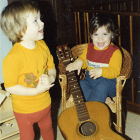
As long as I remember, radio, music & sound are a part of my life. Here you see me sitting, playing guitar in the house of my cousin’s parents. I was different from most kids. They could play football for hours. I could play music for hours, and loved pushing buttons on the hi fi set. And then it happened! I discovered the magic soundbox that goes by the name of radio…
Radio world
I’ll always remember the birthday when my dad and I went to a radio & TV store, where I could choose my own, brand new, trendy 80’s ghetto blaster. Radio was like a door into a new world. All these sounds coming from far away, but also feeling really close. Pure magic. My school friend Andrew was into radio and music as well. We would play deejay in the garden of their home with two cassette players, and a bunch of tapes. His mom and sister (and their neighbours) were the audience. I recall how exciting it felt to play music for people.
Radio Basilisk
Around the age of 10, I wrote a letter to Radio Basilisk, a local station in the Swiss city of Basel where I lived then, saying I had a burning interest – my exact words – to visit them. To my great joy, I got invited for a studio tour. Back then, songs came from records, interviews from reel-to-reel, and jingles & spots from NAB cart. The beginning of my cart fetish ;-).
Radio mindset
Basilisk did remote broadcasts from an old city bus, placed at community events. I often went there to look inside the studio. It was great to watch presenters, seeing them run the board, cue up records and load cart machines. I spoke through an open window with the jock on duty, and I assured him: “Later, I want to do this!”. During class, my mind was drifting away; dreaming of radio… and I made up my mind: ‘I will be on the air someday’. In the meantime, every cent in my pocket was invested in tapes to record radio stations, mainly talk & jingles. I still have those cassettes.
Radio Veronica
After we moved to Holland, I discovered Dutch radio. I loved Veronica, a former offshore radio pirate that was now a public broadcaster with airtime on music station 3FM. Veronica sounded super professional with awesome jingles and star jocks. Jeroen van Inkel was my radio hero. To hear his entire morning show, I often skipped my first school class of the day.
Morning Zoo
Later I learned that they actually borrowed many ideas from Z100. Scott Shannon and Cleveland Wheeler’s popular Morning Zoo format was a blueprint for Curry & Van Inkel and Stenders & Van Inkel, Friday night radio shows which were incredibly popular in Holland during the late 80s/early 90s. Veronica was the first to use audio processing devices (such as an Orban Optimod and Texar Audio Prizm) here. I loved their American sound, and the whole atmosphere that they created with jingles, beds, drones, quotes and other imaging. Time to start doing radio myself!
Radio Kontakt
I built a ‘radio studio’ in my room with two tape decks, a CD player and a mic, recording myself to practice. Then I read about plans for a community station, Radio Kontakt. They were looking for presenters, so I sent an application letter (including a format blueprint for my show) and got invited for an audition. The first session was a disaster :-). The second one was OK. I was in!
Career launch
Christmas 1992 marked the dawn for the launch of Radio Kontakt, and for my on-air debut on December 27th. I have never been so nervous as before and during that first show. I could hardly put the needle on a record as my hands were shaking all the time. Seriously! But my shows got better over time. Of course, when I hear them now, they sound funny. Even when I got compliments for how I sounded on air, I still had to find my true voice. It actually took years before I even came close to being myself on the air.
Sky-Line Radio
Some of my colleagues there also worked for Sky-Line Radio (later Sky-Line FM). I loved their jingle package and professional attitude. The daytime shows were produced by pros who got paid for their effort. I felt that I could grow there, and was glad to be invited after they heard a demo of me presenting on Radio Kontakt. When some people left Sky-Line, the station hired me.
Radio programming
Over the course of 10 years, I covered all time slots – morning shows, lunch magazines, drive time; you name it. I learned to write and deliver news; prepare and do interviews; voice and produce promos. I used every opportunity to evolve. When I was promoted to music director, I set up the database for our on-air automation system Dalet, and our music scheduling software Powergold. Selecting music, coding songs, building formats, designing clocks, optimizing flow; all that stuff. Programming a station was an exciting new challenge!
Extra mile
In the early days, when I did a morning show, I got up at 5 AM, jumped on my bike for a trip of 10 miles – during a cold winter – to be in the studio at 6 AM, as I didn’t own a driver’s license nor a car yet. Hard work, small paycheck – but I didn’t care. I felt like I had an interesting job and contributed something valuable to the station and community, while building my resume.
Career turn
Those years developed my tendency to run the extra mile, which later helped me to achieve many personal goals. Because of my ambition, I recorded airchecks and sent demos to national stations. Some PDs did hear potential and gave me constructive feedback, but no job on a silver platter. In retrospective, my presentation was by the book, but not special. I have a good voice, but I’m not a born entertainer. In addition, I was still searching for myself, and what I truly desired most. Realizing this, I decided to take a turn.
Journalism course
I figured that my best chance would be to further develop myself, so I started to study journalism. Besides my full time radio job, I attended evening classes and did homework at nights. There were days when I got home from class at midnight, did show prep till 1:00 and then catch some sleep, getting out again at 5:30. This went on for 4 years, but I loved (most of) it.
Radio 2
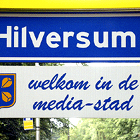
I got an internship with Frits Spits, a Dutch radio host that I had been listening to during my highschool years. Back then, Full Service AC Radio 2, where his show was broadcast, was the number 1 station in Holland. I was finally in Hilversum; in the heart of radio! I also met aunt Trudy, a wonderful person who would become like my second mother, and have a very positive influence on me. This was my big break. After a few days copywriting, they let me produce phone bits and news interviews. Soon, every day, one of my productions went on air, heard by half a million listeners.
NOS Journaal
After my internship, I consciously created a point of no return. I said farewell to Sky-Line FM, and I took on everything that could build my media resume. My journalism degree turned out to be a great investment. It helped me get a temporary, but good job as a content manager for the NOS Journaal (TV news) site belonging to national public news broadcaster NOS.
Radioactive Blog
I learned much about multimedia production and web publishing, but I also realized that plain news is not my cup of tea. Media journalism, focused on radio, is! I contacted publisher Blog Online and founded Radioactive Blog to write for and about the Dutch radio industry. Devotion made a difference. Instead of copy/pasting press releases, I tried to offer self-produced, quality content. Radio folks started talking about my first blog, and after one year of writing it averaged 1,000 unique visitors a day (with an occasional traffic spike of 2,500 when I had a scoop).
Broadcast Magazine
My work as a radio-specialized media journalist was getting noticed. Dutch national news station Radio 1 interviewed me several times as a radio expert, and I got a chance to interview all my radio heroes as a freelance writer for Broadcast Magazine. When the magazine editor offered me a fulltime position, I learned about writing, editing & publishing for print media as well.
PURE Jingles
I liked my journalism job, but I desired to be closer to radio. Once again, my writing efforts paid off. I had done a blog series on jingle companies, and got acquainted to the owner of PURE Jingles. He asked me to help with market research, and become their secret sales weapon (yes, it really says so in my contract ;-)). Building international relations with radio stations & people is a perfect combination of my love for radio, jingles, research, consultancy, and traveling. I’m currently not on air, but up in the air, visiting radio broadcasters worldwide. So I’m still enjoying studio play time :-).
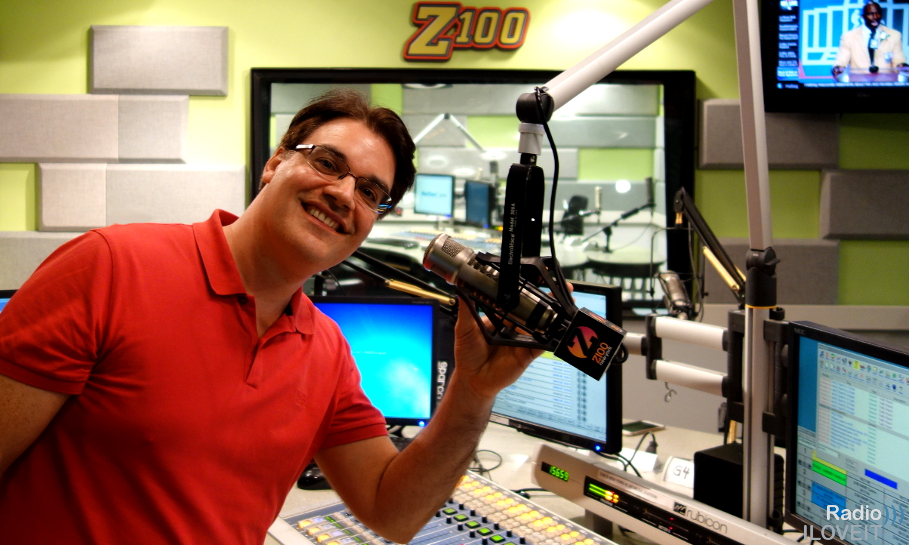
“From the top of the Empire State Building… Z100 Newww York!”, a great day at the world-famous WHTZ (photo: Staxx Williams)
Dreaming reality
I guess you could say that I’m living my dream daily; my daydream about radio, which I had back in school. I feel very fortunate to spend time with talented people in imaging production and radio programming, while expanding horizons; traveling worldwide. But there is also that writer inside of me, who wants to give creative sparks an eternal life on paper and screen. I love writing, and I love radio, so I write about… radio! I’m doing what I believe I was born to do; combining my greatest passions to enjoy myself and help others. One of the results is this website!
Radio))) ILOVEIT
This is my personal platform to offer inspiration & resources for radio professionals (and broadcast students), focused on radio programming strategies, radio production techniques, radio personality traits, music scheduling practices, and radio’s bright future. The parentheses are symbolising radio waves; the capitals of ILOVEIT are emphasising the passion.
Stay tuned
You can get the free newsletter, check out the archive, and become Premium Member to benefit your career and support our cause. By the way… this site is radio-active! Feel free to leave comments under any post that resonates with you. All content is copyrighted, but you may quote or paraphrase parts of an article, when you kindly include a backlink to the original article. Love to exchange ideas, or advertise here? Say hello! And enjoy Radio))) ILOVEIT.
Me @ Radio Vorarlberg in Austria, Radio Contact in Belgium and NASH in Nashville, TN with colleagues Melvin Sleeking and Harm den Besten as well as radio personality Sean Parr (photos: Michael Gailberger, Justin Douilliez and Audrey Brensing)
Get The Free Newsletter
Ideas & insights on radio programming, radio production, personality radio, music scheduling and radio's future, delivered to your inbox free!
Thanks! Check your email to confirm your subscription!






Add Your Comment